
Why Is My Dog Limping Suddenly?

⚡ TL;DR – Quick Safety Summary
- •Sudden limping is often due to strains, paw injuries, or something stuck in the paw
- •Increased activity (long walks, hikes, rough play) is a common trigger
- •Many mild cases improve with rest, but persistent limping needs a vet check
- •Severe pain, swelling, or inability to bear weight requires immediate attention
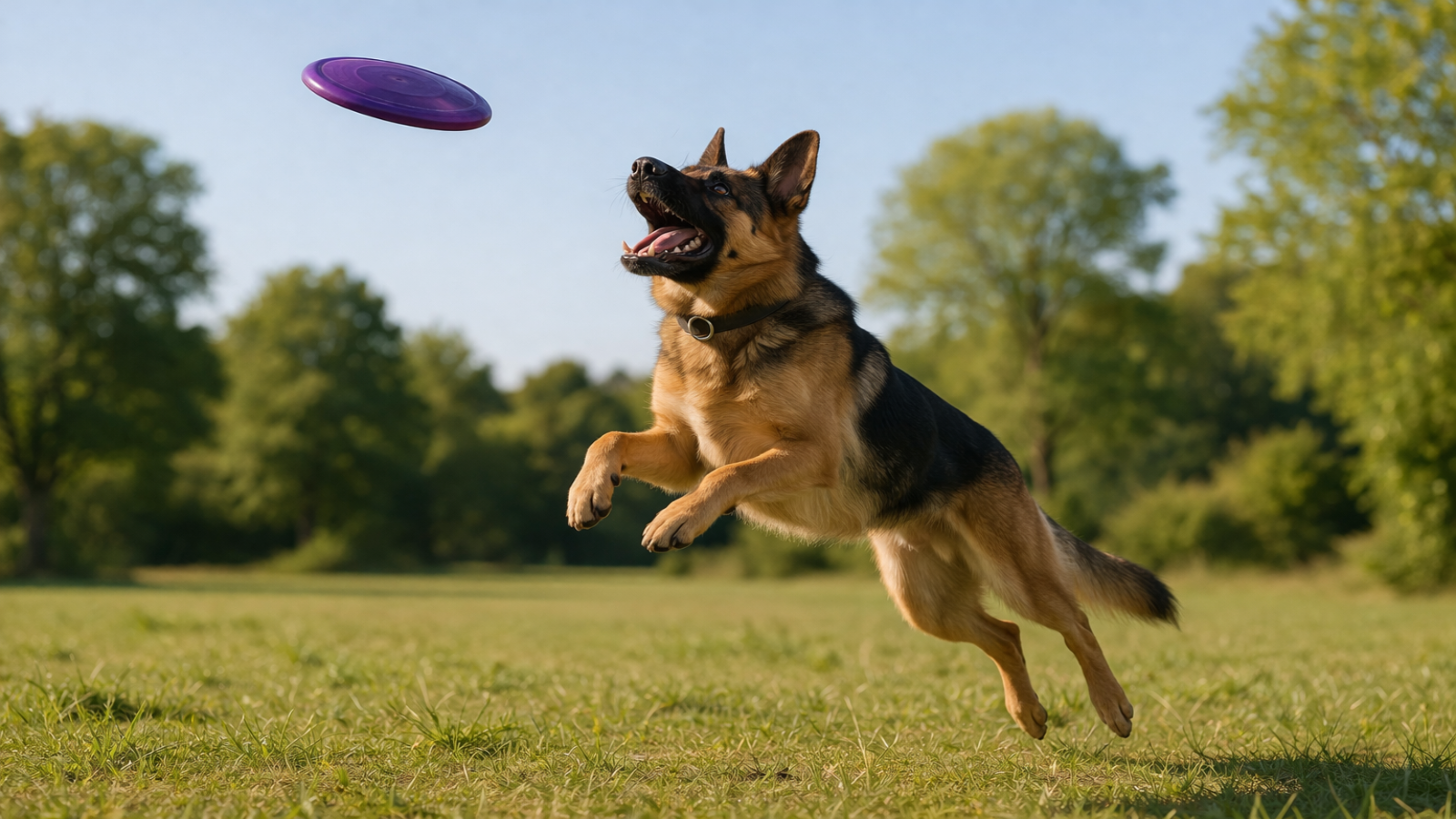
After months of winter “hibernation,” we’re all suddenly motivated to get moving again — longer walks, weekend hikes, maybe even chasing that elusive “bikini body.” And of course, our dogs are right there with us, thrilled to be outside and part of the action.
But just like us, they may be a little out of shape after a quieter season. What feels like a fun burst of activity can sometimes be a bit too much, too fast. Add uneven terrain, rough play, or hidden hazards, and it’s not uncommon for a dog to come home limping after what seemed like a perfectly normal outing.
And it’s not always just overexertion—spring outings can expose dogs to a range of risks, from parasites like ticks to environmental hazards they encounter along the way.
What Causes Sudden Limping?
Sudden limping can come from several sources, ranging from minor issues like a small cut or muscle strain to more serious injuries involving joints or bones. In many cases, the cause is something simple and temporary, but it’s important to check carefully to rule out anything more serious.
Paw injuries
Cuts, thorns, foxtails, or small objects stuck between the paw pads can cause immediate discomfort and limping.
Muscle strain or overexertion
Long walks, hikes, or intense play after a period of low activity can strain muscles.
Minor sprains
Slipping, jumping, or rough play can lead to mild sprains.
Joint issues
Underlying issues like early arthritis or ligament strain may flare up after activity.
Foreign objects
Splinters, burrs, or debris can irritate the paw or skin.
What Happens in Your Dog’s Body
When a dog overexerts itself or experiences a minor injury, muscles, ligaments, or joints can become inflamed. This inflammation causes pain and leads your dog to shift weight away from the affected leg, resulting in limping.
In some cases, the issue may be external, such as a cut, irritation, or something lodged in the paw.
Symptoms to Watch For
- Limping after activity
- Favoring one leg
- Reluctance to walk, run, or jump
- Licking or chewing at a paw
- Swelling or sensitivity
Common Causes You Can Spot Quickly
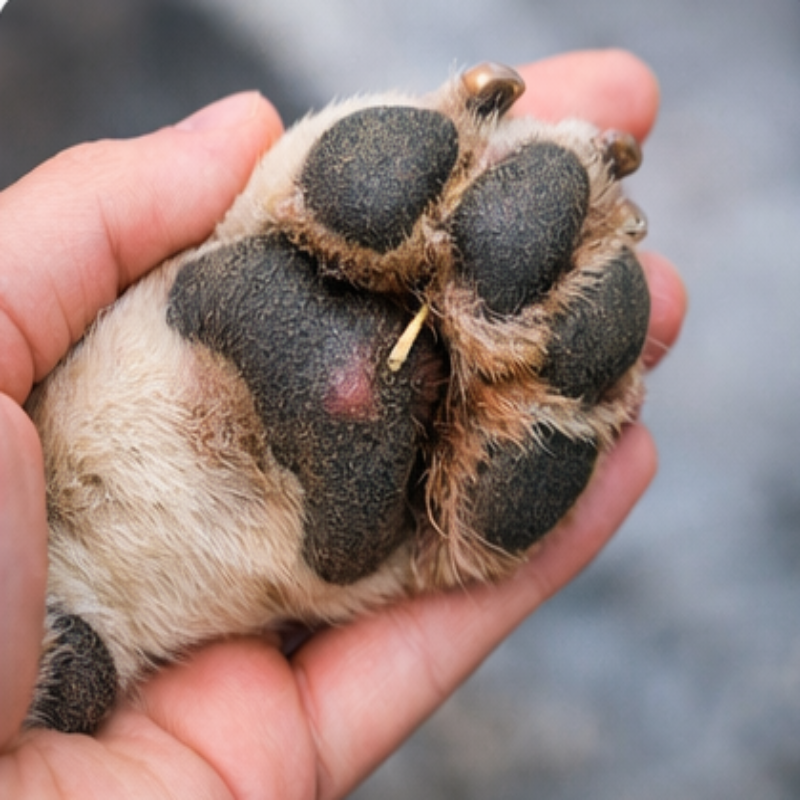
Dog Paw with Thorn or Debris
Small objects stuck in the paw are one of the most common causes of sudden limping.
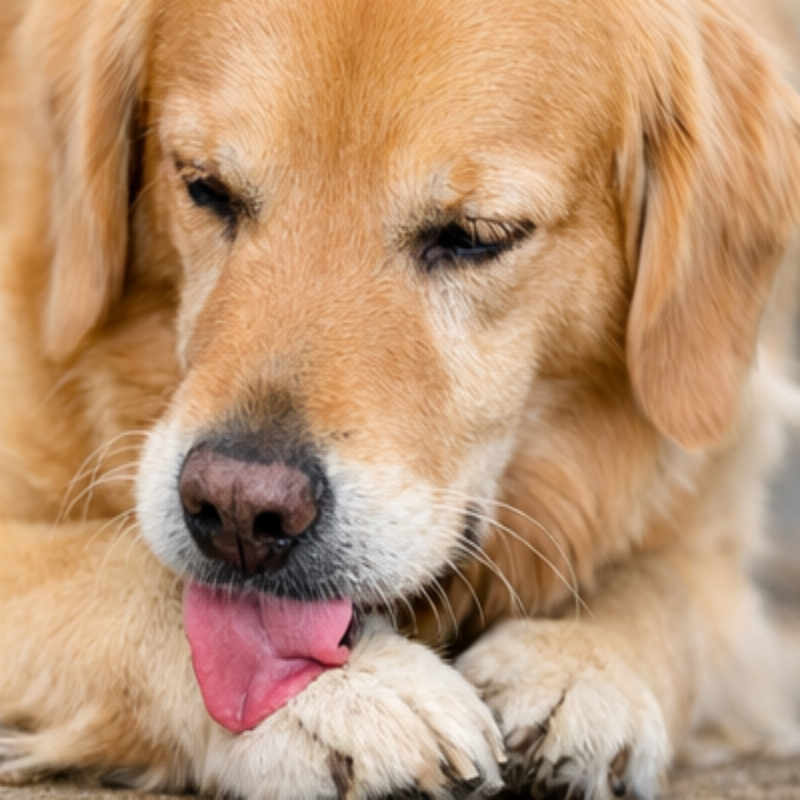
Dog Licking Paw
Persistent licking can indicate pain, irritation, or a hidden injury.
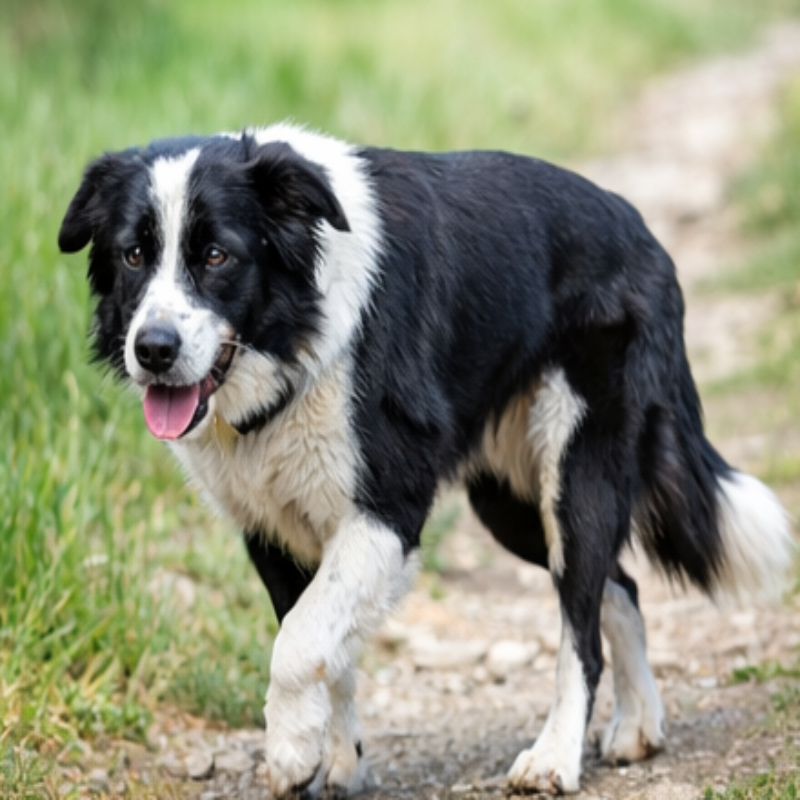
Dog Limping After Running
Overexertion can lead to temporary strain, especially after intense activity.
What to Do Immediately
If your dog starts limping:
- Stop activity and let your dog rest
- Check the paw for cuts, debris, or swelling
- Gently clean any visible wound
- Prevent excessive licking
👉 If limping lasts more than 24–48 hours or worsens, contact your veterinarian. If your dog cannot put weight on the leg, seek care immediately.
How Vets Treat Limping
Treatment depends on the cause and severity of the injury:
- Physical examination
- X-rays if needed
- Anti-inflammatory medications
- Rest and restricted activity
- Treatment of wounds or infections
Early evaluation helps prevent minor issues from becoming more serious.
Prevention
Gradually increase your dog’s activity level, especially after periods of rest. Avoid sudden intense exercise, check your dog’s paws after outdoor activities, and be mindful of rough terrain or hidden hazards.
👉 Most cases of sudden limping are minor and improve with rest, but paying attention early can prevent a small issue from becoming a more serious injury.
Sponsored Placement